Cool multigenerational options from developers and architects
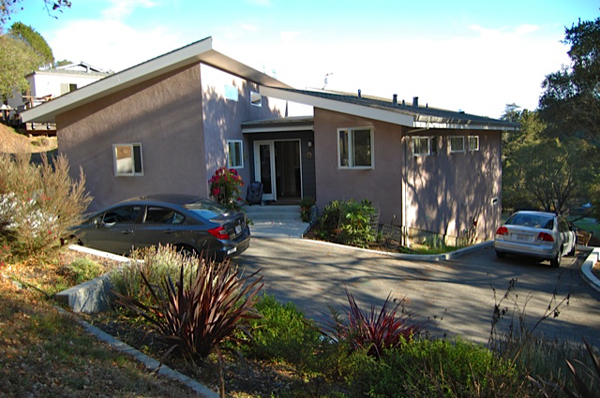 The Gallants built this 1,200-square-foot, energy-efficient house adjacent to their son’s existing home. Photo courtesy of Frank Gallant
by Beth Baker
Editor’s note: This article is part of a year-long project about aging well, planning for the changes aging brings and shaping how society thinks about aging.
“First there were in-law apartments. Then came ‘Granny pods’ — backyard structures tricked out with medical devices for frail elders who might otherwise be in a nursing home. Now, boomers have more attractive living options for sharing households, whether it’s to provide housing for their parents or to move in with their grown children and grandkids.
“The idea of multigenerational housing is as old as humanity. But mostly that has entailed sharing the same living space. According to W. Andrew Achenbaum, professor of social work at University of Houston and a historian of aging, one of the earliest examples of families living in separate spaces on the same property is the “dowager house” in England, where the widow of the estate owner would move into a smaller abode on the grounds.
“‘In the U.S., I think the Amish deserve the credit on a more modest scale,’ Achenbaum said in an email. Amish elders typically pass the family farm on to the next generation and move from the main house to the adjacent ‘grandfather house.’
“‘This allows for independence without sacrificing intergenerational family involvement,’ wrote John A. Hostetler in his book Amish Society.”
