
Each week the Pennsylvania Department of Aging releases a Friday newsletter with information relevant to activities, issues and events for older Pennsylvanians and persons with disabilities across the Commonwealth.
By Clare Barnett, J.D., Program Specialist, Administration for Community Living
This post appears on the Administration for Children and Families’ blog, The Family Room.
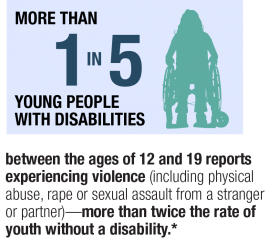
National Teen Dating Violence Awareness and Prevention Month is a time to encourage healthy relationships and, in the words of President Obama, “reaffirm the basic human right to be free from violence and abuse.”
For teens with disabilities, that basic right is no different.
Thanks to the work of advocates, youth activists, and community educators, the conversation around social norms that can fuel abuse are changing. However, youth with disabilities are too often left out of the movement to end dating violence and programs to support survivors.
Continue reading this article in its entirety; click here.
By Sabrina Bodon | PublicSource
“Pennsylvania’s Department of Labor & Industry is awarding $1.2 million in transition services contracts Tuesday to eight organizations to aid high school students with disabilities transition to jobs and secondary education.
“The education and social services organizations across the state will receive about $120,000 to $250,000 to develop and expand programs focused helping students after high school, according to a Tuesday (February 23) announcement.
“‘This money will help young people with disabilities transition from high school to secondary education or meaningful employment smoothly and with greater success,’ Labor & Industry Secretary Kathy Manderino said in a press release.”
“Statistics show that 10,000 Baby Boomers in the U.S. turn 65 every day! And the Baby Boom Generation is going to enter the later years of life differently that any previous generation. Studies predict that Baby Boomers will:
Audio interview | “The Impact of Grief & Loss Through the Life Cycle”
Welcome to this interview with Cheryl Jones, host of Good Grief Radio Show. We will discuss the ongoing effects of grief and loss throughout the life cycle and also grief and the LGBT community.
Depression in Older Adults and the Elderly | Recognize the Signs and Find Treatment that Works
“The changes that often come in later life—retirement, the death of loved ones, increased isolation, medical problems—can lead to depression. Depression prevents you from enjoying life like you used to. But its effects go far beyond mood. It also impacts your energy, sleep, appetite, and physical health. However, depression is not an inevitable part of aging, and there are many steps you can take to overcome the symptoms, no matter the challenges you face.”
Find out more … about the symptoms and the causes of depression … and more; click here to read more at HelpGuide.org, a trusted non-profit guide to mental health and well-being.
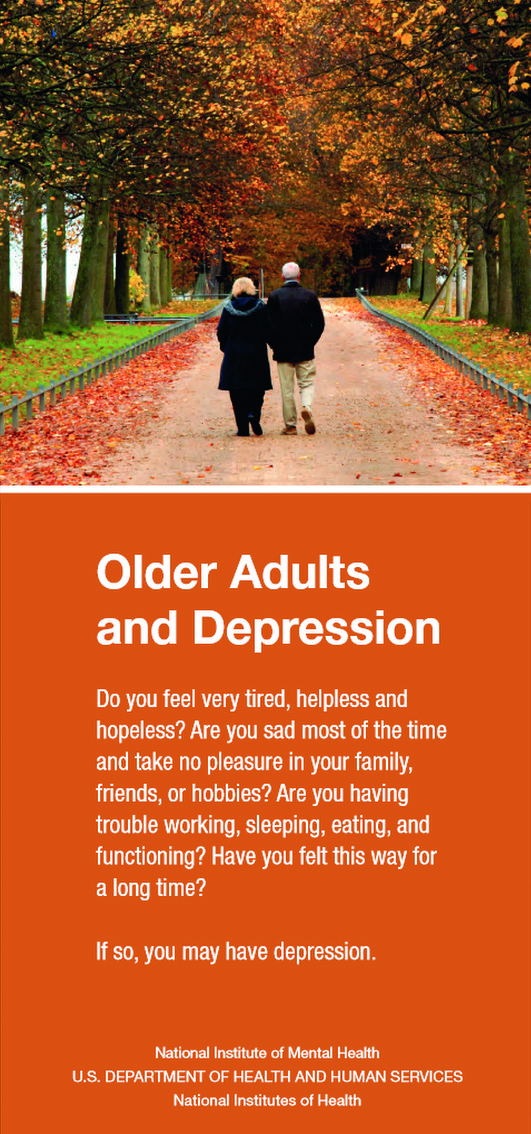
Click here or on the graphic above to view (or download) the document as a .pdf.
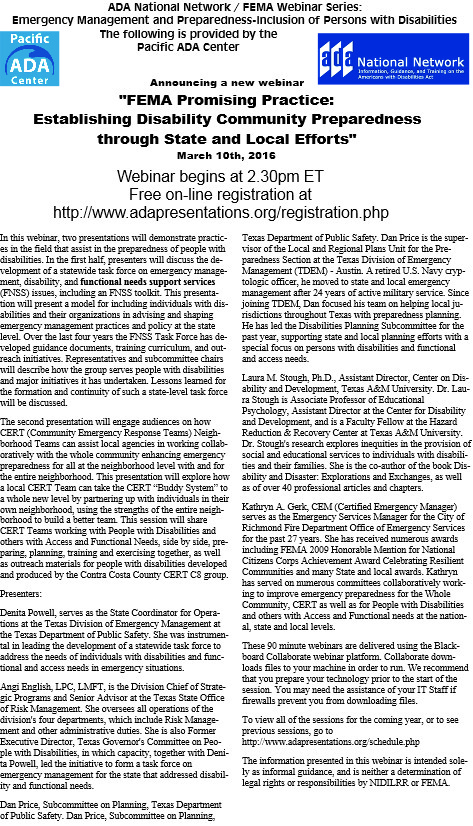
Click on the graphic above to register
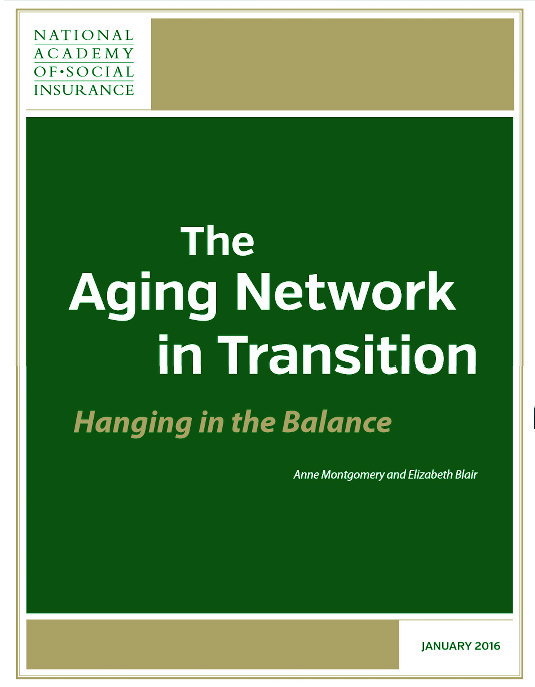
by Anne Montgomery and Elizabeth Blair
“Most American families and even health policy experts have never heard of the Aging Network (AN), a loosely organized, community-embedded aggregation of service organizations that provide elders with vital services such as housing repairs, food, and transportation. Yet this network is essential and fundamental to the health of our grandparents, parents, and, eventually, all of us as we grow older and need a bit of assistance to continue living in our communities. It is also about to be overwhelmed: A 2015 report by the Government Accountability Office found that 83 percent of older adults who are likely to be food insecure did not receive meal services, and it estimated that up to 78 percent of older adults needing home-based care do not receive help with all of their difficulties.
“A major reason is that appropriations for the Older Americans Act (OAA), which funds the Aging Network, have declined for decades in inflation-adjusted terms. If current patterns hold, the needs of a rapidly growing population of older adults will soon overwhelm the capacity of the OAA to provide a meaningful level of support in communities across the country. This budgetary squeeze is not benign neglect; it has a real-world impact in the form of tens of thousands of seniors who, each year, unnecessarily wind up malnourished, dehydrated, unable to care for themselves, and, ultimately, cycling into and out of hospitals and other high-cost care settings.”
Click here to read this article in its entirety at Altarum Institute.
The PA Department VFW will once again hold a special weekend retreat for women veterans.

SOURCE: PA VFW e-news
Improving the quality and availability of medical and social services for patients and their families could not only enhance quality of life through the end of life, but may also contribute to a more sustainable care system.
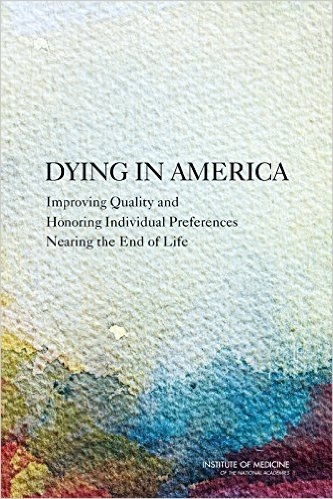
“For patients and their loved ones, no care decisions are more profound than those made near the end of life. Unfortunately, the experience of dying in the United States is often characterized by fragmented care, inadequate treatment of distressing symptoms, frequent transitions among care settings, and enormous care responsibilities for families. According to this report, the current health care system of rendering more intensive services than are necessary and desired by patients, and the lack of coordination among programs increases risks to patients and creates avoidable burdens on them and their families. Dying in America is a study of the current state of health care for persons of all ages who are nearing the end of life.
“Death is not a strictly medical event. Ideally, health care for those nearing the end of life harmonizes with social, psychological, and spiritual support. All people with advanced illnesses who may be approaching the end of life are entitled to access to high-quality, compassionate, evidence-based care, consistent with their wishes.
“Dying in America evaluates strategies to integrate care into a person- and family-centered, team-based framework, and makes recommendations to create a system that coordinates care and supports and respects the choices of patients and their families. The findings and recommendations of this report will address the needs of patients and their families and assist policy makers, clinicians and their educational and credentialing bodies, leaders of health care delivery and financing organizations, researchers, public and private funders, religious and community leaders, advocates of better care, journalists, and the public to provide the best care possible for people nearing the end of life.”
Dying in America is available as a downloadable .pdf at the National Academies Press Website.
It’s also available at Amazon and other book sellers.
The Institute of Medicine (IOM) committee identifies a need for public education and engagement about end-of-life care planning at several levels:
“Although Americans’ values and opinions about end-of-life care will necessarily differ, the committee emphasizes the importance of disseminating accurate information so that individual care decisions and public dialogue, as much as possible, are based on an informed understanding of facts.
“The IOM committee believes a person-centered, family-oriented approach that honors individual preferences and promotes quality of life through the end of life should be a national priority.
“Dying in America provides a comprehensive assessment of the knowledge gaps, structural problems, and financial disincentives that hamper delivery of optimal care and makes cross-sectoral recommendations to achieve compassionate, affordable, sustainable, and effective care for all Americans.”
